









It usually starts small. A missed step on the stairs. A struggle getting out of the bath. A relative visiting from abroad who suddenly can’t manage the villa the way they used to. For most Dubai families, the search for solutions starts the same way: looking up a home stairlift in Dubai after a recent fall, or trying to find a reliable mobility equipment provider before a parent moves in permanently. Almost overnight, the home you’ve lived in for years starts to feel like it’s working against the person you’re trying to care for.
This is one of the most common calls we get at Dubai Mobility and it’s rarely from someone planning years ahead. It’s usually a family responding to a recent fall, a diagnosis, a parent moving in, or simply the slow realisation that stairs, tiled bathrooms and narrow doorways have quietly become daily obstacles. The good news is that adapting a Dubai home for limited mobility doesn’t have to mean a full renovation or months of disruption. With the right plan, most of it can be done room by room, starting with a home stairlift in Dubai if the staircase is the biggest barrier and working outward from there.
This guide walks through exactly where to start, what each space needs and which adaptations make the biggest difference first, including how to choose the right stairlift for a home in Dubai.
Homes in the UAE come with a specific set of challenges that don’t always show up in generic accessibility guides written for other countries. Many Dubai villas and townhouses are built across two or three floors with a single central staircase, which means the stairs aren’t optional, they’re the only route to bedrooms, bathrooms or a private retreat upstairs. Polished marble and tiled flooring, while beautiful and practical in the heat, becomes genuinely dangerous underfoot for anyone with reduced balance or grip strength, especially when wet.
Apartment living brings its own version of the problem. Corridors and lift access are usually fine, but the units themselves were rarely designed with wheelchair turning circles or step-free showers in mind and building management approval is sometimes needed before structural changes like grab rails or ramps can go ahead.
None of this means a Dubai home can’t be made safe and comfortable. It just means the planning needs to start with how the specific property is laid out, not a one-size-fits-all checklist.
The single biggest mistake families make is buying equipment before assessing the home. A stairlift that doesn’t suit the staircase, a shower seat that doesn’t fit the cubicle, or a ramp at too steep an angle all become wasted money and, worse, a false sense of security.
Before any purchase, walk through the home with the person who’ll be using it, at the times of day they actually move around, not just once in the afternoon. Pay attention to the staircase shape and width, the door widths throughout the home, the bathroom layout and step height into the shower or bath, lighting in hallways and on stairs and the flooring transitions between rooms, particularly between tiled and carpeted areas where trip hazards often hide.
If this feels like more than you can judge accurately yourself, a free in-home assessment from a mobility specialist will flag issues you’d likely miss and it costs nothing to book.
For multi-floor Dubai villas, the staircase is almost always where adaptation needs to start, because everything else in the home becomes secondary if someone can’t safely get from one floor to another. This is exactly why a home stairlift in Dubai is the most-searched solution for families in this situation and for good reason.
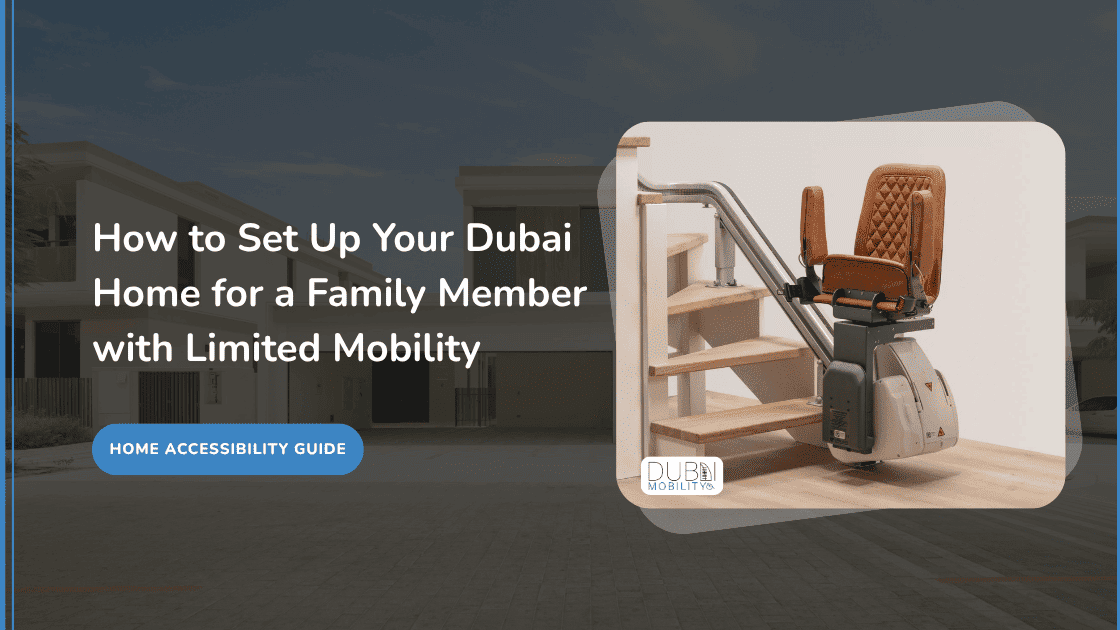
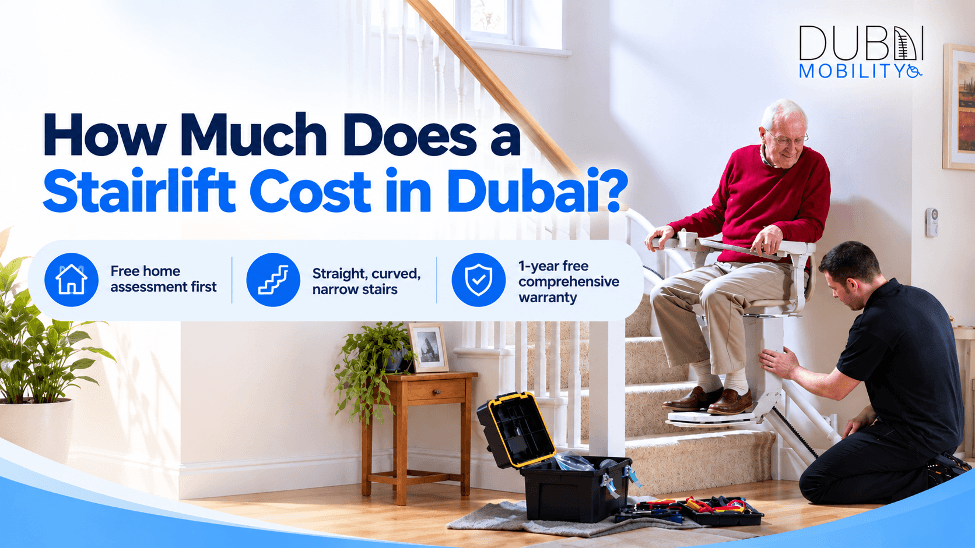
A home stairlift in Dubai is the most common and most effective fix here and it’s a far smaller undertaking than most families expect. Modern stairlifts like the ICON UP.Lift are built with a modular rail system designed to fit straight, curved, or narrow staircases without altering the structure of the staircase itself and the seat, footrest and armrests fold away automatically when not in use, so the stairs remain usable by everyone else in the household.
Installation timelines are usually the biggest worry families have and it’s a reasonable one. A genuinely good stairlift for a home in Dubai should be installed within 24 hours of a free assessment, with no wall damage and no need to wait weeks for a custom build, since the rail is fitted directly to the stairs rather than the wall. If your staircase has tight turns, landings, or an unusual curve, a curved home stairlift handles this without the bulky look older curved models used to have, while straight runs are typically the faster and lower-cost option for a standard stairlift for a home in Dubai.
Quick checklist before choosing a home stairlift in Dubai:
Bathrooms deserve more attention than almost any other room, since wet tiled flooring combined with a step into a bath or shower is one of the most common causes of falls at home. The fixes here don’t need to be dramatic. Grab rails fitted beside the toilet and inside the shower, a non-slip mat or strip flooring on the shower base and a shower seat or commode chair for anyone who can’t stand for the full duration of washing all make a measurable difference and none of them require structural work.
For homes where a full step-free shower conversion isn’t possible or practical right now, a portable shower commode chair is a fast, lower-cost way to make bathing genuinely safe in the meantime and it’s something many families keep using even after other renovations are complete.
The bedroom is often where people spend the most time during recovery or as mobility decreases, so getting in and out of bed safely matters as much as the bed itself. A bed positioned with clear space on at least one side for a wheelchair or walking frame, a firm mattress that makes standing up easier rather than one that sinks and a bedside table within easy reach for essentials all help reduce the number of times someone needs to call for assistance.
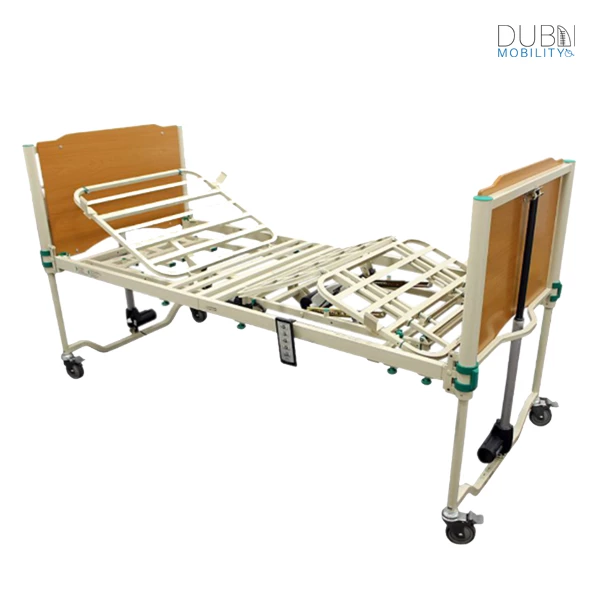
If a family member needs more support getting in or out of bed, an adjustable profiling bed or a patient hoist can make daily transfers significantly safer for both them and whoever is helping them, particularly during recovery from surgery or a hospital stay.
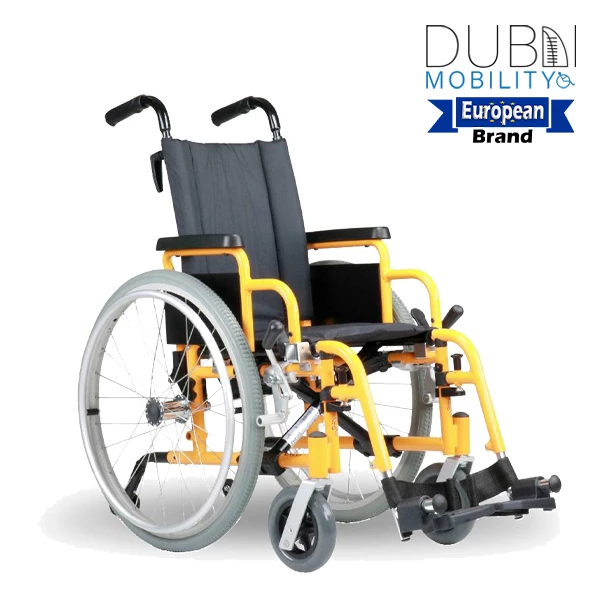
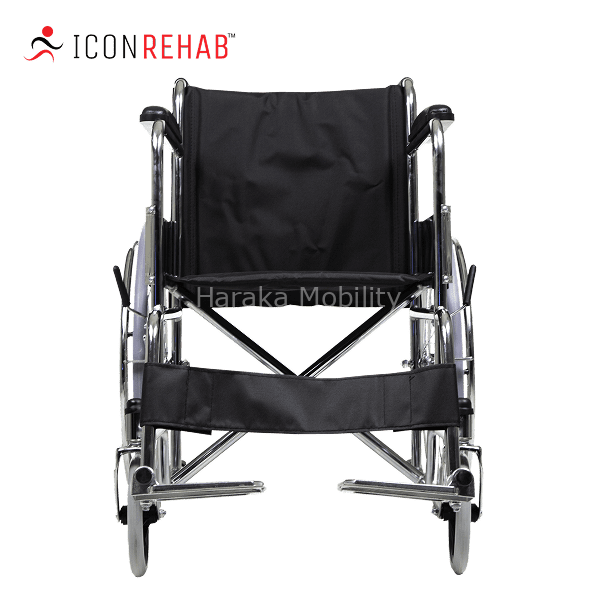
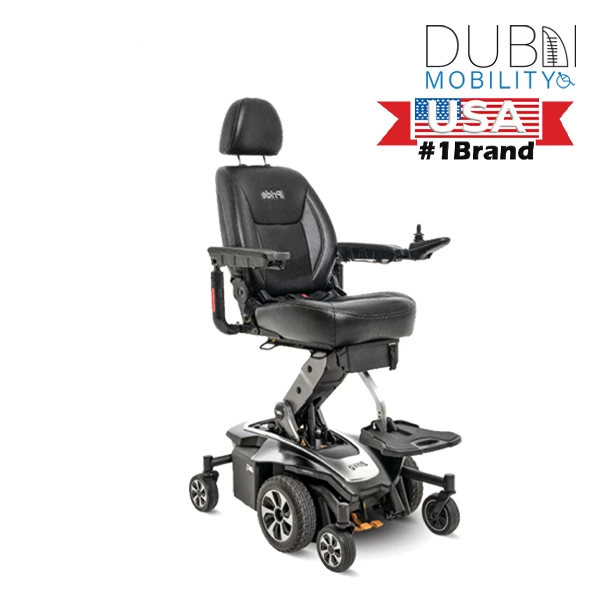
Wide, clear hallways matter more once a wheelchair, walking frame or powerchair is involved and Dubai’s open-plan villa layouts are usually generous enough to accommodate this with a bit of furniture rearranging rather than construction work. Check that the doorways are wide enough for a wheelchair to pass through comfortably, that rugs and loose cables are removed from main walking routes and that lighting is bright and even, particularly in hallways and on any remaining steps.
For living areas, a riser recliner chair is worth considering if standing up from a regular sofa has become difficult. These chairs gently lift and tilt forward to bring the user closer to standing, reducing strain on both the individual and any family member helping them up.
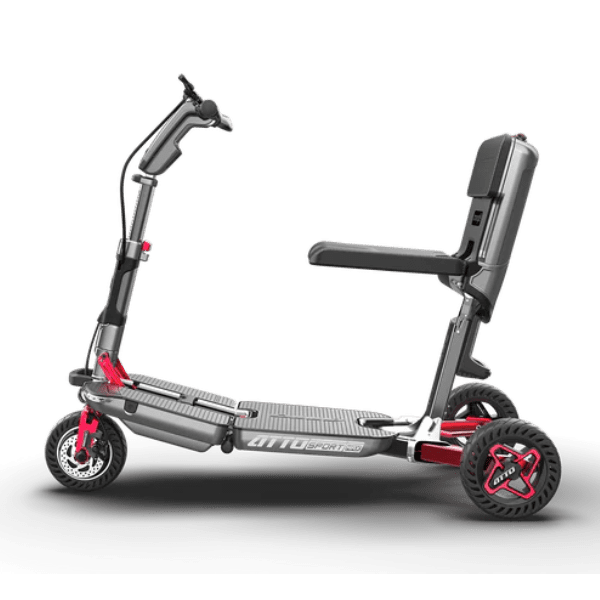
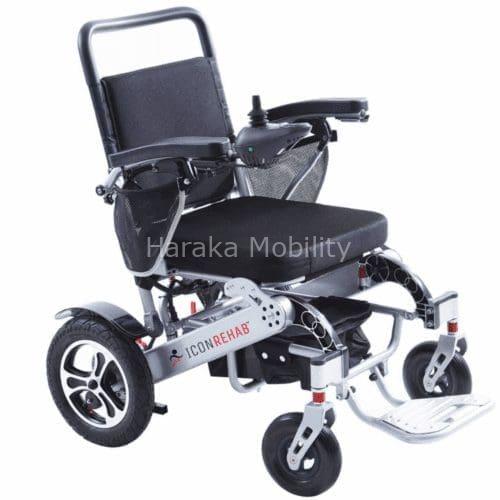
The transition between outdoor and indoor space is easy to overlook until it becomes a daily problem. A short, well-built ramp at the main entrance, handrails on any external steps and adequate lighting for evening arrivals all make a real difference, particularly for anyone using a mobility scooter or powerchair who needs to get equipment in and out of the home regularly.
It’s tempting to tackle every room at once, but the families who manage this transition most smoothly usually prioritise based on where the actual safety risk is highest, then build outward from there. A staircase that’s currently being avoided or navigated dangerously is typically the first priority, which is why most plans begin with sourcing a reliable home stairlift in Dubai before moving on to the bathroom, then bedroom and living area comfort.
It’s also worth separating what’s needed permanently from what might only be needed temporarily, such as during recovery from surgery. A stairlift for a home in Dubai is almost always a permanent fixture worth buying outright, while renting equipment like hospital beds, shower commodes, or even a mobility scooter for a defined period is often more practical and cost-effective than buying outright, particularly while you’re still working out what long-term setup actually suits the household.
We’ve spent over a decade helping Dubai families adapt their homes for exactly these situations and the starting point is always the same: a free home assessment, not a sales pitch. Our team will walk through the property with you, identify the genuine priorities and recommend equipment based on the actual layout and the person’s specific needs, rather than a standard package.
For staircases, our ICON UP.Lift home stairlift in Dubai is designed to fit straight, curved and narrow Dubai staircases with next-day installation and no structural changes to your home, backed by a full year of free maintenance and support (extendable). Whether you need a straight or curved stairlift for a home in Dubai, our team will assess your staircase for free before recommending anything. If the rest of the home needs attention too, our wider range covers everything from riser recliner chairs and profiling beds to shower commode chairs and patient hoists, available to buy or rent depending on what suits your situation.
Request a free home assessment or call us on +971 4898 0300 and our team will get back to you within 24 hours.
Do I need planning permission to install a stairlift in my Dubai home?
For villas, a modular stairlift like the ICON UP.Lift is fitted directly to the stairs rather than the wall or building structure, so it typically doesn’t require planning permission. For apartments, it’s worth checking with your building management beforehand, particularly if any work affects shared stairwells.
What’s the first thing I should adapt in the home?
For most families, the staircase is the priority if it’s a daily barrier to reaching bedrooms or bathrooms, followed closely by the bathroom itself, since falls most often happen on wet flooring or while stepping in and out of a bath or shower.
Should I buy or rent mobility equipment for my home?
It depends on how long the equipment will be needed. For permanent changes like a stairlift, buying typically makes more sense. For temporary needs during recovery, such as a hospital bed or shower commode, renting is usually more cost-effective and flexible.
Can a stairlift fit a curved or narrow Dubai staircase?
Yes. Modern modular stairlifts are designed to be custom-fitted to straight, curved and narrow staircases without major structural work and a free in-home assessment will confirm exactly what configuration suits your stairs.
Does Dubai Mobility offer a free home assessment?
Yes. Our team offers a free, no-obligation in-home assessment to review your property’s layout and recommend the right equipment for your family member’s needs, whether that’s a stairlift, bathroom adaptation, or wider home setup.
Enter Your Details: Provide your name, phone number and email.
Your Requirements: Let us know if you have any specific need or question
We’ll handle the rest: We’ll get back to you within 24 hours and provide the information you need.

To provide the best experiences, we use technologies like cookies to store and/or access device information. Consenting to these technologies will allow us to process data such as browsing behavior or unique IDs on this site. Not consenting or withdrawing consent may adversely affect certain features and functions.